
Climate Connection
Tennessee is no stranger to powerful storms. Tornadoes and intense straight-line wind events like derechos have long left their mark on the state’s rolling hills and quiet towns. But in recent years, something has changed. These storms are hitting harder, lasting longer, and arriving in seasons and regions that once felt relatively safe. Behind this growing instability is a shifting climate—one that's turning up the volume on extreme weather across the Southeast.
At the heart of these changes is a warming atmosphere. As global temperatures rise, so does the energy available for storm formation. Warmer air holds more moisture, leading to heavier rainfall and more explosive storm development. In Tennessee, where cold fronts from the north often collide with warm, humid air from the Gulf of Mexico, these juiced-up conditions create the perfect storm—literally. Tornadoes, once more common in the spring and concentrated in “Dixie Alley,” are now appearing in fall and winter, and striking in areas previously thought to be lower risk. Meanwhile, derechos—long, bow-shaped clusters of thunderstorms that can produce widespread wind damage—are gaining strength and frequency, packing hurricane-force gusts that tear through forests, farmland, and neighborhoods in minutes.
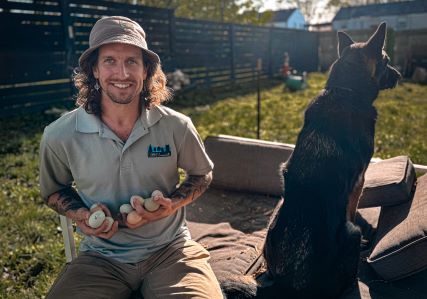
The impacts are profound and deeply personal. Homes and schools are ripped apart. Entire towns can be left without power for days or even weeks. Flooding ensues. Farmers lose crops, communities face long and costly recoveries, and the emotional toll on neighborhoods is lasting as Alex still describes the devastation nearly five years after the horrific 2020 tornado that hit East Nashville. These storms not only destroy human communities, but also devastate ecosystems. When forests are leveled and streams are clogged with debris, wildlife loses habitat and water systems are thrown out of balance. And for many Tennesseans, especially in rural or low-income areas as we saw in Waverly, TN in 2021 and the 2024 storms in East Tennessee after Hurricane Helene, recovery isn’t just slow—it’s often incomplete, widening already existing disparities.
What we’re witnessing in Tennessee is part of a larger pattern—climate change doesn’t just mean warmer summers or rising sea levels. It means more chaos in the sky. More nights where the weather radio doesn’t stop. More mornings where the sun rises over broken trees and shuttered homes. And while mitigation at the global level is crucial, adaptation at the local level—through early warning systems, storm-resilient infrastructure, and community preparedness—is equally important.
The storms are telling us something. The question is whether we’re ready to listen—and to act.
Submissions from 2025
Additional Information - Alex Willoughby Interview, Urban Green Lab and Tennessee State University
Alex Willoughby Full Interview Audio, Urban Green Lab and Tennessee State University
Alex Willoughby Full Interview Transcript, Urban Green Lab and Tennessee State University