
Climate Connection
As cities continue to grow, so does the intensity of the heat trapped within them. Concrete buildings, asphalt roads, and limited green space contribute to what's known as the urban heat island effect, where urban areas experience higher temperatures than surrounding rural areas.
Urban heat doesn't just make Nashville summers uncomfortable—it can have serious, long-term consequences, particularly for vulnerable populations who are already facing multiple layers of inequality. Many of the city’s most vulnerable residents live in areas close to heavy industry, busy highways, and overdeveloped spaces—places where the heat is often felt more intensely. Without enough green spaces or cooling resources like cooling shelters, and with pollution levels higher in these areas, the health risks are much greater, too. Designing or revitalizing cities with greenspace like Brooklyn Heights Community is the most effective, long-term solution to combating the urban heat island effect.
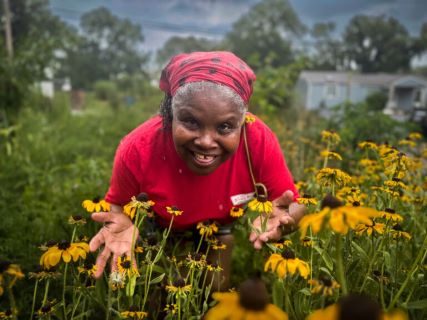
This is a reality that Ms. Pearl knows all too well. The sweltering heat she describes is a growing struggle in her North Nashville neighborhood, and unfortunately, it’s not an isolated experience. As Nashville continues to expand, the effects of extreme heat on human health, well-being, and the environment are becoming even more urgent. For Nashville's marginalized communities, the rising temperatures aren't just an inconvenience—they're a real public health concern that demands our attention.
Submissions from 2024
Additional Information - Ms. Pearl Interview, Urban Green Lab and Tennessee State University
Nella Frierson Full Interview Audio, Urban Green Lab and Tennessee State University
Nella Frierson Full Interview Transcript, Urban Green Lab and Tennessee State University