
Climate Connection
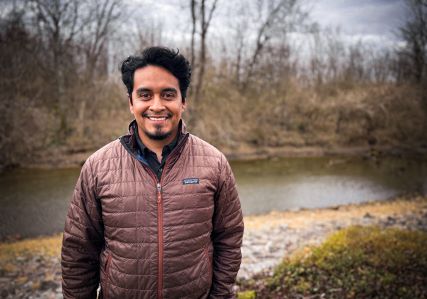
As a landscaper working across Middle Tennessee, Gil has witnessed how the region’s weather has become increasingly unpredictable and extreme. Climate shifts ranging from sudden cold snaps in spring and extended summer droughts are no longer rare occurrences but recurring challenges that directly impact not only the timing of planting but can also affect the health of Gil’s crew due to extremes in heat and cold during installations.
In response, Gil has turned to a climate-smart landscaping approach promoting the use of native plants—species that have evolved alongside the region’s climate and wildlife. He believes this solution will not only improve the survival of the plants he installs, but he knows this will help address the growing challenges extreme weather shifts create for all living organisms within a habitat. These native plants are naturally adapted to local rainfall patterns, soil types, and temperature fluctuations, making them more resilient to both drought and freeze events. According to the U.S. Environmental Protection Agency (EPA), native landscaping not only requires less irrigation and chemical input, but also supports pollinators and birds, contributing to healthier overall urban ecosystems. Additionally, deeper root systems in native species provide extra ecological services. Native plants can most effectively manage stormwater runoff, reduce erosion, and cool the air—natural solutions to urban environmental challenges.
For Gilberto, landscaping is more than curb appeal—it’s about building biodiverse, resilient ecosystems one yard at a time. In his work, he encourages clients to think beyond aesthetics and toward sustainability: converting traditional lawns into pollinator havens, replacing invasive ornamentals with climate-hardy natives, and incorporating design elements that reduce runoff and heat retention caused by overly concrete areas and urban heat island effect. These small but intentional changes have a cumulative impact, offering a grassroots path to environmental resilience. As cities like Nashville continue to grow and face mounting climate pressures, Gilberto sees native plant landscaping as a practical and hopeful tool for rebalancing the relationship between people, nature, and place.
Submissions from 2025
Additional Information - Gilberto Martinez Interview, Urban Green Lab and Tennessee State University
Gilberto Martinez Full Interview Audio, Urban Green Lab and Tennessee State University
Gilberto Martinez Full Interview Transcript, Urban Green Lab and Tennessee State University