
Climate Connection
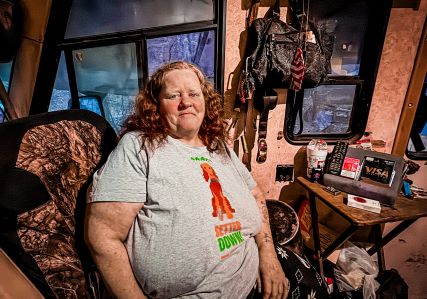
Flooding events are becoming more frequent and severe due to climate change, and for the unhoused or those transitioning to shelter, the consequences can be devastating. Unlike those with stable housing, unhoused individuals often live in areas highly susceptible to flooding—such as underpasses, riverbanks, or abandoned lots—without access to proper shelter or early warning systems. When floods hit, as we heard from Mama V and Arthur, folks can lose everything: their few belongings, access to medical supplies, and even their lives. Emergency services may not always prioritize homeless populations, and relocation to shelters—if available—can be chaotic and dangerous, especially for those already dealing with physical or mental health challenges.
As we hear about the harrowing events of the recent floods from Mama V and Arthur’s perspective, the immediate dangers of living with these
The environmental fallout from flooding compounds these hardships. Standing water can lead to outbreaks of waterborne diseases, mold growth, and increased exposure to toxins, especially in urban areas where runoff includes oil, sewage, and industrial waste. Many unhoused people lack access to clean water and sanitation facilities, putting them at even higher risk of illness in the aftermath. On top of that, support systems like outreach programs, soup kitchens, or mobile clinics are often disrupted or damaged by floods. In this way, the environmental impacts of flooding don’t just affect infrastructure—they also deepen the vulnerability and marginalization of people experiencing homelessness.
Flooding doesn’t just bring immediate danger—it also makes life a whole lot harder for people without stable housing. When sanitation systems break down, you get dirty water everywhere, mold starts to grow, and diseases like hepatitis A or leptospirosis can spread fast. On top of that, the places where unhoused folks usually get support—like food pantries, outreach spots, or mobile health clinics—can get shut down or wiped out by the storm. That means even fewer resources when they’re needed most.
And it’s not just about losing stuff or getting sick—floods can also push people out of the few places they’ve managed to settle, often leading to stricter rules or heavier policing around encampments. Cities trying to clean up after a disaster sometimes end up pushing people further into the margins instead of helping them. So when the waters rise, it’s not just a weather event—it’s another hit in a system that’s already stacked against folks trying to survive without a home.
Submissions from 2024
Additional Information - Venessa Hammerick and Arthur Mcquiston Interview, Tennessee State University
Venessa Hammerick and Arthur McQuiston Full Interview Audio, Urban Green Lab and Tennessee State University
Venessa Hammerick and Arthur McQuiston Full Interview Transcript, Urban Green Lab and Tennessee State University