
Climate Connection
Climate shifts, including extreme weather, seasonal changes, and urban heat effects, are impacting both our built environment and natural resources. However, the repercussions of environmental injustices and racism equally and profoundly impact our social sphere. No aspect remains untouched, particularly those impacting health, business, housing, education, and family dynamics.
One response to these challenges is fostering resilient communities. These communities are designed to strengthen daily well-being and reduce the impacts of disasters by being proactive, adaptable, and able to recover quickly from disruptions. Resilient communities rely on strong, interconnected relationships where people can quickly mobilize to support each other. Through shared civic responsibility and a well-organized care structure, these communities can overcome environmental, economic, and social challenges, emerging stronger in times of crisis.
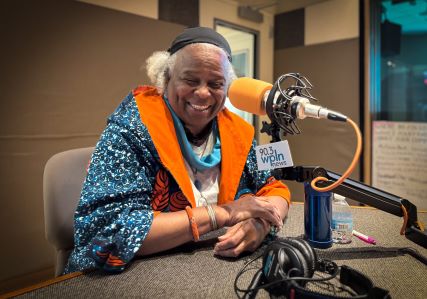
Throughout her interview, Elois shares her experience with Nashville’s historical pitfalls and emerging challenges. Yet she also observes all the makings of a successful, resilient community. One where food, homes, clean air and water, health, and, most importantly, people are top priorities. Ever hopeful, Elois points to the wealth of opportunity Nashville has to achieve true resiliency through relationships and connection.
Submissions from 2024
Additional Information - Elois Freeman Interview, Tennessee State University
Elois Freeman Full Interview Audio, Urban Green Lab and Tennessee State University
Elois Freeman Full Interview Transcript, Urban Green Lab and Tennessee State University